

Lori Crosswhite
Updated 2:06 PM CST, Thu November 12, 2026
Lights Out, Stress Down: A Practical Power Outage Guide for Seniors
For most people, a power outage is a temporary annoyance. For older adults, losing electricity can quickly become a serious health and safety issue—impacting everything from refrigerated medications and medical devices to safe navigation in the dark.
Taking a few simple, proactive steps now can turn an unexpected blackout into a manageable inconvenience. Whether you are preparing for yourself or helping an aging loved one, here is a clear, step-by-step guide to staying safe, comfortable, and connected when the power goes out.
1. Put Medical Needs First
If you rely on electricity for your health, preparation starts with a backup plan for your prescriptions and equipment.
- Register with your utility company. Many electric providers offer priority restoration programs or advance shutoff notifications for residents who depend on life-sustaining medical devices. Call your provider today to get on their medical baseline or priority list.
- Plan for refrigerated medications. Drugs like insulin, certain eye drops, and liquid antibiotics can lose their effectiveness if they get too warm. Keep freeze packs in your freezer and a small insulated cooler nearby so you can quickly transfer medications if an outage lasts more than a few hours.
- Secure backup power for devices. If you use a CPAP machine, oxygen concentrator, or electric hospital bed, ask your medical equipment supplier about battery backups. If you use a power wheelchair or stairlift, keep a manual wheelchair, walker, or cane easily accessible as a backup.
- Keep a printed medication list. Write down all your prescriptions, dosages, allergies, and doctor contact numbers. Store this list in a waterproof folder where first responders can easily find it.
2. Build an Easy-to-Reach Emergency Kit
Following guidelines from Ready.gov, aim to have enough supplies to last at least three days. Store your kit in a familiar, accessible spot—avoid high shelves or dark basements.
- Water and non-perishable food. Stock at least one gallon of drinking water per person per day. Choose ready-to-eat foods like canned soup, peanut butter, crackers, and fruit cups, and pack a manual can opener.
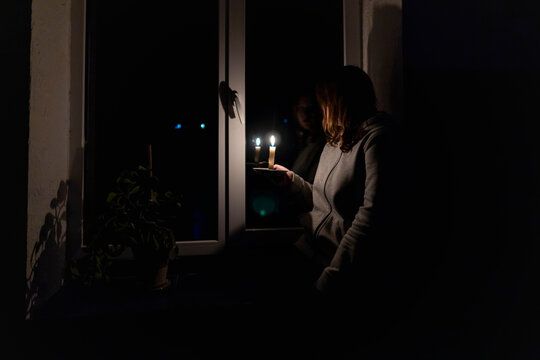
- Safe lighting. Skip the candles, which are a major fire hazard. Instead, place battery-powered flashlights, headlamps, or LED lanterns in the rooms you use most, like the bedroom, bathroom, and kitchen.
- Personal aids and extra batteries. Keep spare eyeglasses, hearing aid batteries, and extra charging cords in your kit.
- Communication tools. Pack a battery-powered or hand-crank weather radio to stay updated on local alerts, along with a fully charged portable power bank for your cell phone.
3. Fall-Proof Your Home for the Dark
A sudden loss of lighting dramatically increases the risk of trips and falls, even in a home you know by heart.
- Use plug-in emergency nightlights. Purchase inexpensive LED nightlights that stay plugged into wall outlets and automatically turn on when the power cuts out. Place them in hallways, bathrooms, and near staircases.
- Keep pathways clear. Make a habit of keeping floors free of loose rugs, clutter, and electrical cords.
- Check your detectors. Make sure smoke alarms and carbon monoxide detectors have fresh backup batteries so they continue working during an outage.
4. Create a "Check-In" Network
Isolation during an outage can be dangerous. A simple communication plan ensures someone always knows you are safe.
- Write down important phone numbers. Do not rely solely on your cell phone's contact list. Keep a large-print paper list of phone numbers for family, neighbors, your pharmacy, and your utility company near your main phone.
- Designate a buddy. Ask a trusted neighbor, friend, or nearby relative to check on you—either by phone or in person—whenever the power goes out.
- Share a spare key. Make sure your designated buddy or a family member has a spare key to your home in case an electric garage door won't open or you need help getting inside.
5. Know What to Do When the Lights Go Out
Once an outage hits, a few smart habits will keep you safe until the grid comes back online:
- Keep fridge and freezer doors closed. According to the National Institute on Aging, an unopened refrigerator will keep food cold for about four hours, and a full freezer will hold its temperature for up to 48 hours.
- Manage indoor temperatures safely. Older adults are more vulnerable to extreme heat and cold. In winter, bundle up in layers and gather in one room to conserve body heat. In summer, stay on the lowest floor of your home, drink plenty of water, and have a plan to relocate to a friend's house or a local cooling center if indoor temperatures rise too high.
- Never use outdoor gear indoors. Never use a gas stove, oven, charcoal grill, or portable generator inside your home or garage. Generators must always be operated outdoors at least 20 feet away from windows and doors to prevent deadly carbon monoxide poisoning.
Comments